Ever wonder why some days your body just feels sore for no reason? That dull ache in your knees or shoulders isn’t always from overworking. Sometimes, it’s what’s on your plate. Inflammation is the body’s natural defense when something’s wrong, but when it sticks around too long, it becomes a problem. It hurts. A lot. The truth is food can be either your worst enemy or your best healer. By choosing anti-inflammatory foods for pain relief, you can calm that internal fire and actually help your body recover from the inside out.
Understanding How Food Affects Inflammation
Food is like fuel, but not all fuels burn clean. Every meal you eat sends a message to your body, either “heal” or “hurt.” Sugary snacks, greasy takeout, and those late-night processed bites? They push inflammation higher. But foods that ease inflammation, like veggies, nuts, fruits, and whole grains, send the opposite message. They help. They soothe. The antioxidants, healthy fats, and nutrients inside them act like little repair agents, lowering stiffness and calming pain over time. It’s not instant, but your body notices.
How a Diet Can Reduce Inflammation Naturally
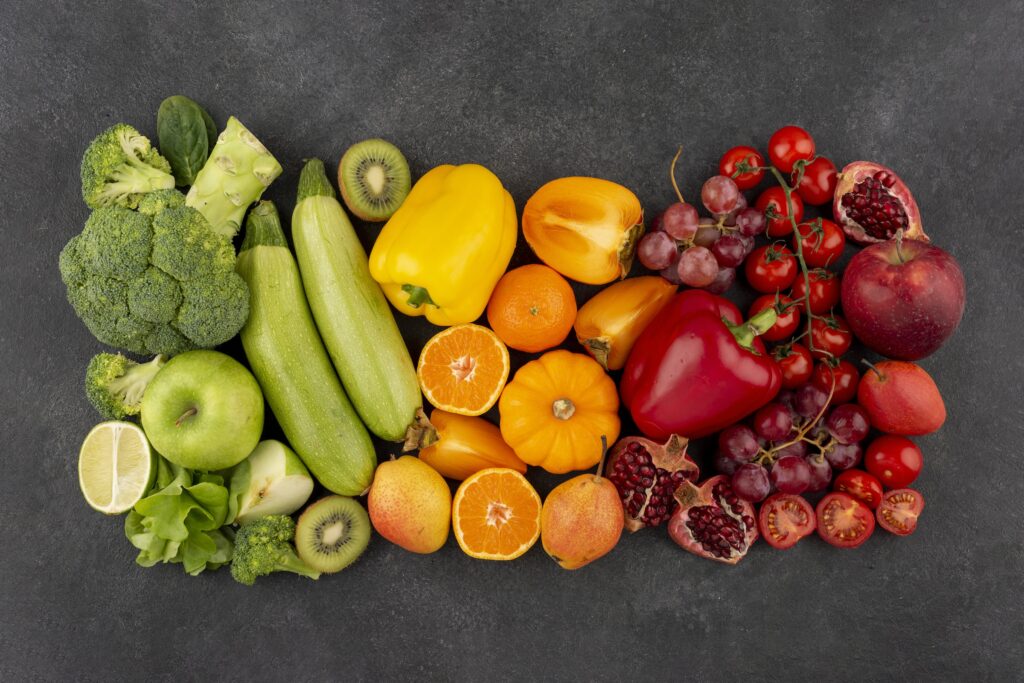
You’ve probably heard the phrase Diet reduce inflammation naturally, but what does that really mean? It’s simple. Swap the bad for the good. Choose real food. Skip fast food. Eat colorfully. These small swaps matter. Fresh berries, green veggies, lean proteins, they don’t just fill your stomach. They repair damage. Even switching butter for olive oil or soda for green tea can calm irritation inside your body. It’s like giving your immune system a gentle break from constant battle.
Nutrition for Joint Pain and Mobility
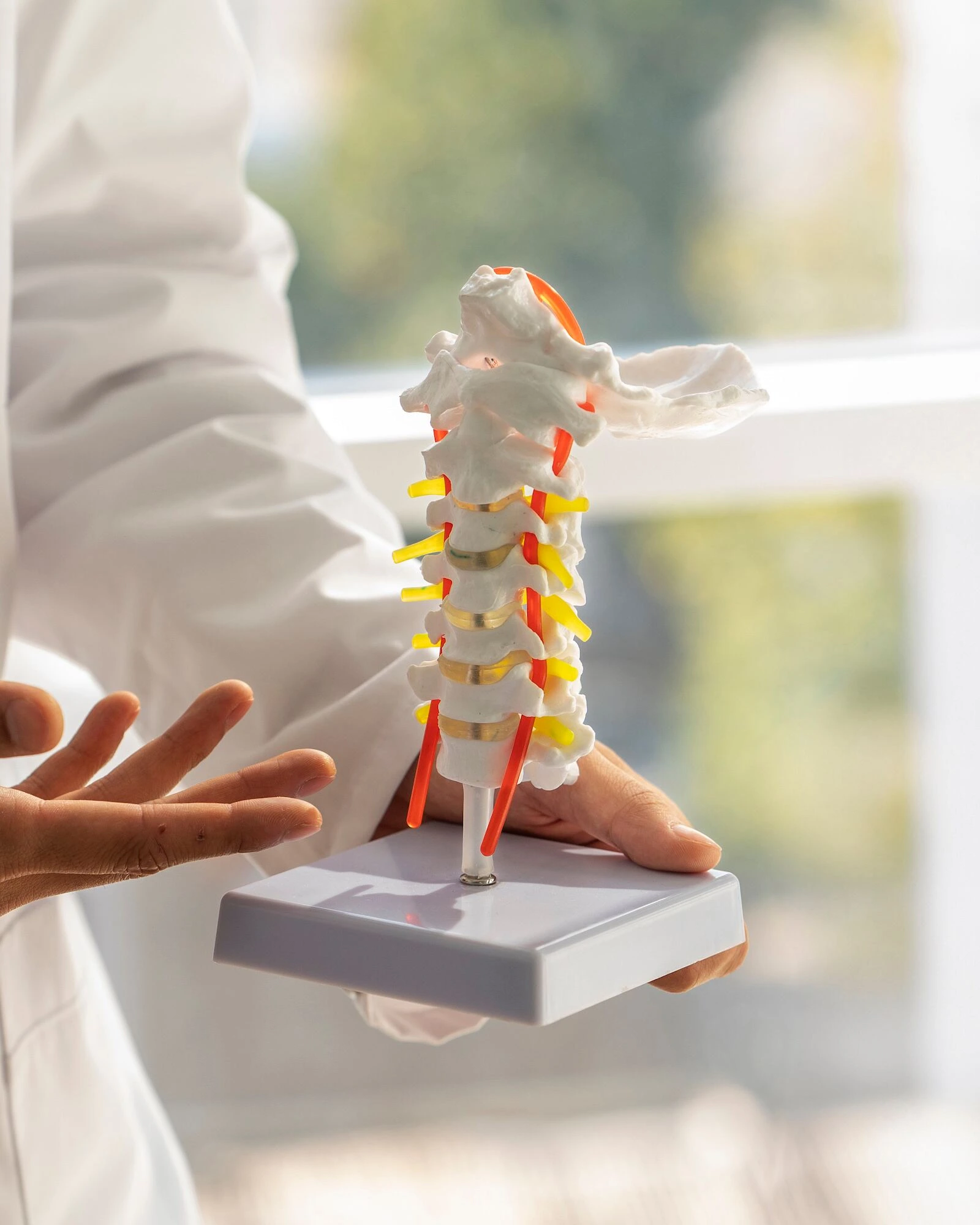
If you’ve ever felt your knees creak or your back tighten up, that’s inflammation waving hello. Over time, poor eating habits make it worse. But there’s good news nutrition for joint pain can help your body rebuild. Omega-3 fatty acids from fish, flaxseeds, and walnuts are magic for your joints. They loosen things up, ease stiffness. Then there’s Vitamin D and calcium, which make your bones stronger. Add in antioxidants, and you’ve got protection for your cartilage too. Keeping your weight steady also helps take the load off those sore spots.
The Power of Antioxidants in a Pain-Relieving Diet
Let’s talk antioxidants. These little powerhouses are your body’s shield. When you eat foods high in antioxidants, you’re fighting off free radicals, tiny troublemakers that cause swelling and pain. A diet antioxidants pain plan means filling your plate with bright colors: blueberries, cherries, oranges, spinach, and broccoli. These aren’t just “healthy” foods, they’re protectors. Over time, you feel lighter, less tired, and maybe even more flexible. It’s not magic, it’s just good nutrition doing what it’s supposed to.
Inflammation-Reducing Meal Ideas
What should your plate look like if you’re fighting inflammation? Easy colorful, fresh, and balanced. Inflammation reducing meal ideas could start with a morning smoothie packed with berries and chia seeds, then maybe a lunch with grilled salmon and quinoa. For dinner, think lentil soup or a hearty bean bowl. Herbs like turmeric, ginger, and garlic not only add flavor but also naturally fight pain. Even your snacks can help you choose nuts, yogurt, or fruit instead of chips or cookies. Your body will thank you, one meal at a time.
Healthy Anti-Pain Recipes That Nourish the Body

The best healthy anti-pain recipes aren’t fancy. They’re simple and full of warmth. Roasted sweet potatoes, veggie soups, fresh salads with olive oil and lemon, all these meals give your body what it craves. No heavy sauces. No processed stuff. Just clean, gentle food that boosts your energy and mood. The more you eat like this, the fewer flare-ups you’ll notice. Pain starts to fade, your mood lifts, and you start feeling like yourself again.
Quick Tips to Make Every Meal Anti-Inflammatory
- Go for whole grains instead of refined carbs.
- Bake or steam instead of frying.
- Add fish or flaxseeds for omega-3s.
- Eat colorful fruits and veggies daily.
- Spice things up with turmeric, ginger, and cinnamon.
These aren’t hard rules just small habits that add up. Stick with them, and you’ll feel the shift in your body, slow but real.
How Lifestyle and Mindset Work with Diet
Here’s the thing food helps, but it’s not the whole story. Pair your new eating habits with good sleep, hydration, and movement. When you stretch, walk, or breathe deeply, you help your body heal faster. When you’re tense, inflammation spikes. A calm, balanced mind helps keep that in check. So, think of your diet as one part of a bigger picture. A lifestyle that heals not just feeds.
Conclusion
What you eat shapes how you feel plain and simple. When you fill your plate with anti-inflammatory foods for pain relief and commit to a diet that reduces inflammation naturally, you’re giving your body the power to heal itself. Food can do more than comfort it can restore balance and energy. Start small, stay consistent, and listen to your body. For more guidance on how to use nutrition to manage pain and improve your health, connect with Robert F Mancuso today and begin your journey to lasting comfort and better living.