



Call US - (212) 457-0878

Appointment


If you've been living with back pain, you've probably wondered whether surgery is really your only option. For a lot of people, it isn't. A non-surgical back pain treatment can bring real relief, but which one actually helps depends on what's causing your pain, how long you've had it, how severe it is, and whether you're dealing with any nerve-related symptoms. That said, conservative care isn't a fit for every case, so getting an accurate diagnosis first matters more than picking a popular therapy off a list. Robert F. Mancuso, MD, MPH, is board-certified in physical medicine and rehabilitation and completed fellowship training in interventional spine and pain medicine, along with additional training in minimally invasive spine techniques. Patients who come to him as a lower back pain specialist NYC residents recommend seeing him at his offices in Tribeca, Manhattan, and Bay Ridge, Brooklyn. Here's a closer look at six conservative treatment options worth understanding.
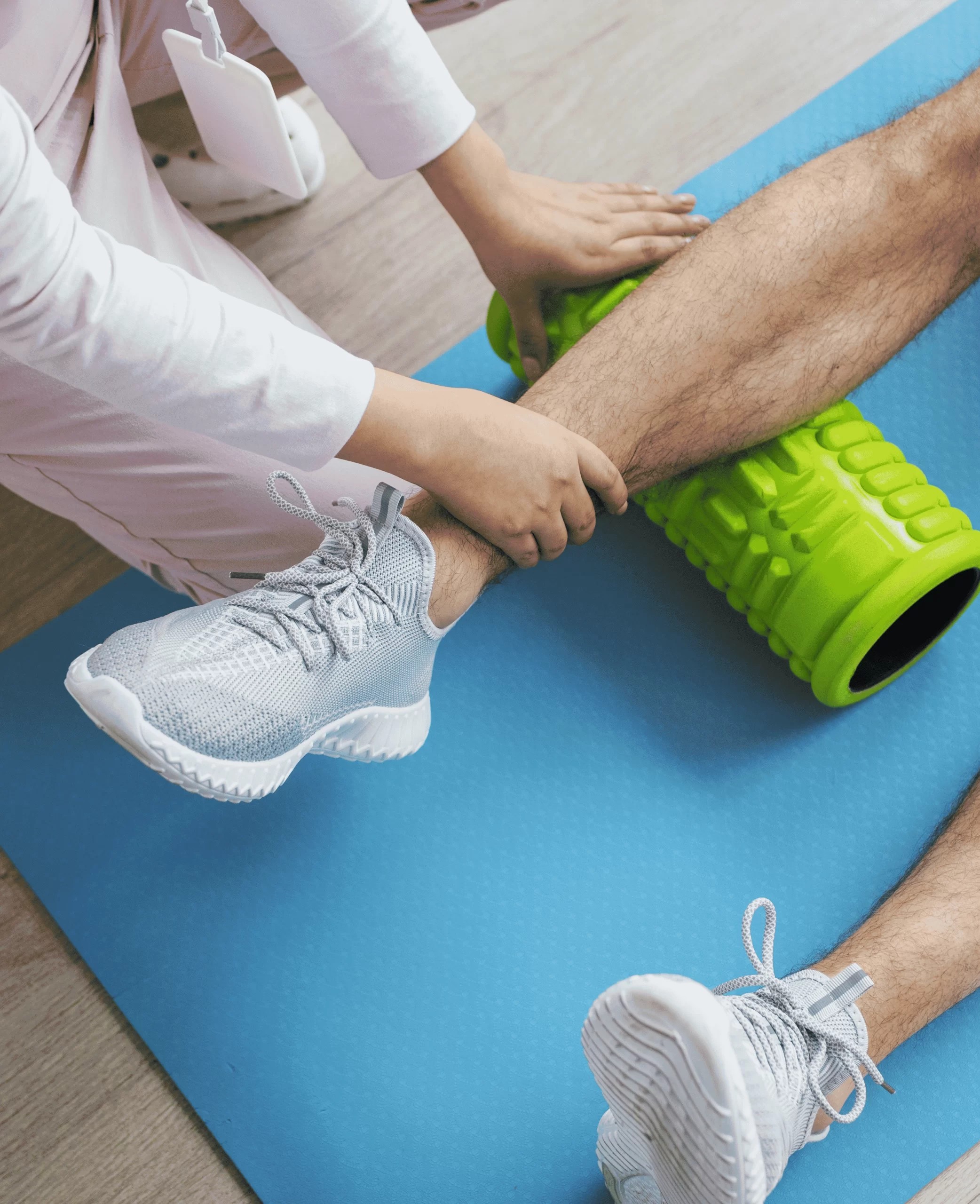
Of all the conservative options out there, physical therapy tends to be the one that shows up most often, and for good reason. It doesn't just chase the pain; it works on the mechanics that are causing it in the first place.
A good program usually blends targeted strengthening, flexibility work, movement retraining, posture correction, and hands-on manual therapy. A back specialist NYC patients trust will build this around the actual diagnosis rather than handing out a generic sheet of exercises.
This tends to help people dealing with muscular strain, reduced mobility, postural pain, general deconditioning, or recovery after an injury. Even so, the specific plan always comes down to what's actually going on with that patient.
There's no single timeline here. How long treatment takes depends on the symptoms, the diagnosis, and how someone is progressing along the way. Sticking with sessions and doing the home exercises tends to support steadier improvement, though nothing is guaranteed on a fixed schedule.
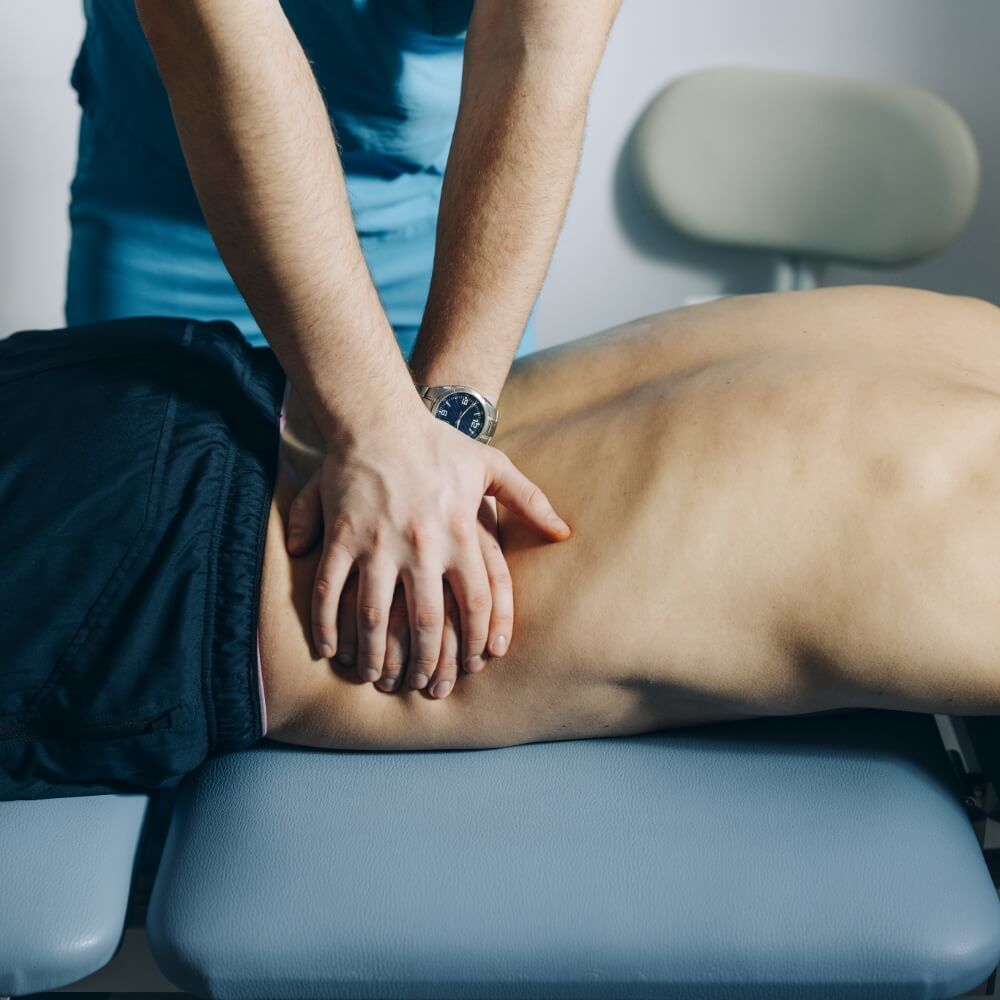
Controlled manual adjustments or mobilization can offer some patients a modest bump in pain relief or movement. It's worth being clear, though: this doesn't permanently realign the spine or fix whatever's causing the pain underneath.
Manipulation isn't right for everyone. Anyone with osteoporosis, a higher fracture risk, progressive weakness, significant nerve compression, infection, cancer, recent trauma, or another serious spinal issue needs a medical evaluation before considering it.
A typical visit generally includes a physical assessment, controlled manual techniques, some mobility work, and advice for managing things at home.
Acupuncture involves placing thin needles at specific points on the body, and for some patients, it seems to influence how pain signals are processed or ease symptoms somewhat. That's a separate question from the traditional explanations involving energy flow, which aren't something we can back with clinical evidence.
How many sessions someone needs varies quite a bit, and so do the results. There's no set number of visits that promises pain will disappear.
It matters who's doing the needling. Stick with a licensed practitioner using sterile, single-use needles, and if you're on blood thinners or managing certain health conditions, talk to your doctor first.
Swedish massage tends to ease general tension, deep-tissue work goes after stubborn tight spots, and trigger-point massage zeroes in on specific knots and the discomfort they refer elsewhere. If you're in the middle of an acute injury or the cause of your pain hasn't been properly checked out yet, deep pressure isn't the right call.
Massage can ease tension and make you more comfortable for a while, but it's physical therapy that actually builds strength, mobility, and long-term function. And to be clear, massage isn't a treatment for serious nerve compression or structural spine problems.
Epidural steroid injections, facet joint injections, selective nerve root blocks, and other targeted nerve blocks each do different jobs. None of them is a one-size-fits-all answer for back pain.
These are usually done as outpatient procedures under local anesthesia, often with fluoroscopic or ultrasound guidance so the physician can place the medication precisely where it needs to go.
When pain and inflammation ease up, some patients find it easier to participate fully in physical therapy. It's worth remembering that injections generally manage symptoms rather than fix the structural issue causing them, which is exactly the distinction a pain management expert NYC patients rely on should walk you through before recommending anything.
How long relief lasts varies a lot from person to person. Possible risks include bleeding, infection, temporary soreness, blood-sugar changes from corticosteroids, headache, allergic reaction, nerve injury, and, rarely, more serious complications. Before recommending any non-surgical back pain treatment involving injections, a physician should go through your history, symptoms, medications, exam findings, and imaging.
Small changes add up here. Adjusting your desk setup, screen height, and lifting technique, and just getting up and moving more often, can genuinely help, though posture is rarely the whole story behind back pain. Low-impact exercise, core strengthening, and keeping a healthy weight can also support recovery, but if your pain is significant or ongoing, check with a doctor before diving into an intense routine. As for sleep, side sleeping with a pillow between the knees or back sleeping with support under the knees works well for some people, though there's no position that's right for everybody.
There's no shortcut here. What works depends on where the pain is coming from, whether it's acute or chronic, whether it radiates, what any neurological findings show, how limited your mobility is, how you've responded to past treatment, what imaging shows, if it's needed, your overall health, your current medications, and, honestly, what you want your day-to-day life to look like. If you've been searching for effective spine pain treatment NYC options, it helps to walk into that first appointment already understanding the landscape.
Conservative care simply isn't the right path for every case. Get evaluated right away if you notice new problems with bowel or bladder control, numbness around the groin or saddle area, leg weakness that's severe or getting worse, major loss of sensation, pain following serious trauma, fever alongside severe back pain, unexplained weight loss, a cancer history paired with new back pain, or pain that just keeps getting worse no matter what you try. These aren't symptoms to wait out. An upper back pain treatment NYC provider can help you sort out what's going on rather than guessing at home.
At the end of the day, the right treatment comes from an accurate diagnosis, not from picking whatever therapy sounds most popular. As a New York back pain doctor, Dr. Robert F. Mancuso sees patients at his Tribeca and Bay Ridge offices, offering advanced pain therapy in Bay Ridge along with individualized, non-operative or minimally invasive care built around his spine care expertise and spine care procedures. If back pain has been getting in the way of your life, reaching out for a consultation is a reasonable next step.
It really depends on the diagnosis, the treatment itself, how long you've had symptoms, your overall health, and how consistent you are with rehab. There's no single timeline that fits everyone.
They can be, in some cases. It works best when it's medically appropriate, and the providers involved are actually coordinating with each other on your care.
They're commonly performed, but they still carry some risk. Careful patient selection, a thorough evaluation, and image guidance all help, though no procedure is completely without risk.
If your pain keeps going on, seems to get worse, starts radiating, or shows up with numbness, weakness, reduced movement, or recurring bouts, then it is time to get it checked instead of just waiting it out.
That depends on your plan, your diagnosis, medical necessity, whether the provider is in-network, and whether a referral or prior authorization is needed.
SPINE CARE
Targeted interventions for athletes, emphasizing quick recovery and peak performance.
.png)
Innovative treatments and therapies promoting healing and pain management.

Holistic wellness programs focusing on preventive care, nutrition, and lifestyle interventions.